Sapphire
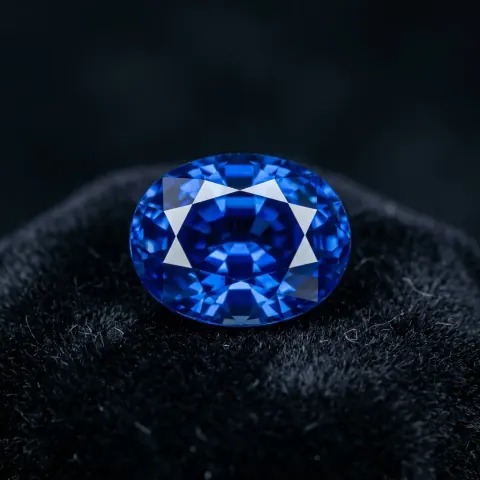
Deep blue and the hardest stone in the tray — it will outlast the band around it. The classic choice for a ring that is never taken off.
- Suits
- Everyday rings, wedding bands, classic pendants
- Held to mean
- Wisdom, focus, and loyalty
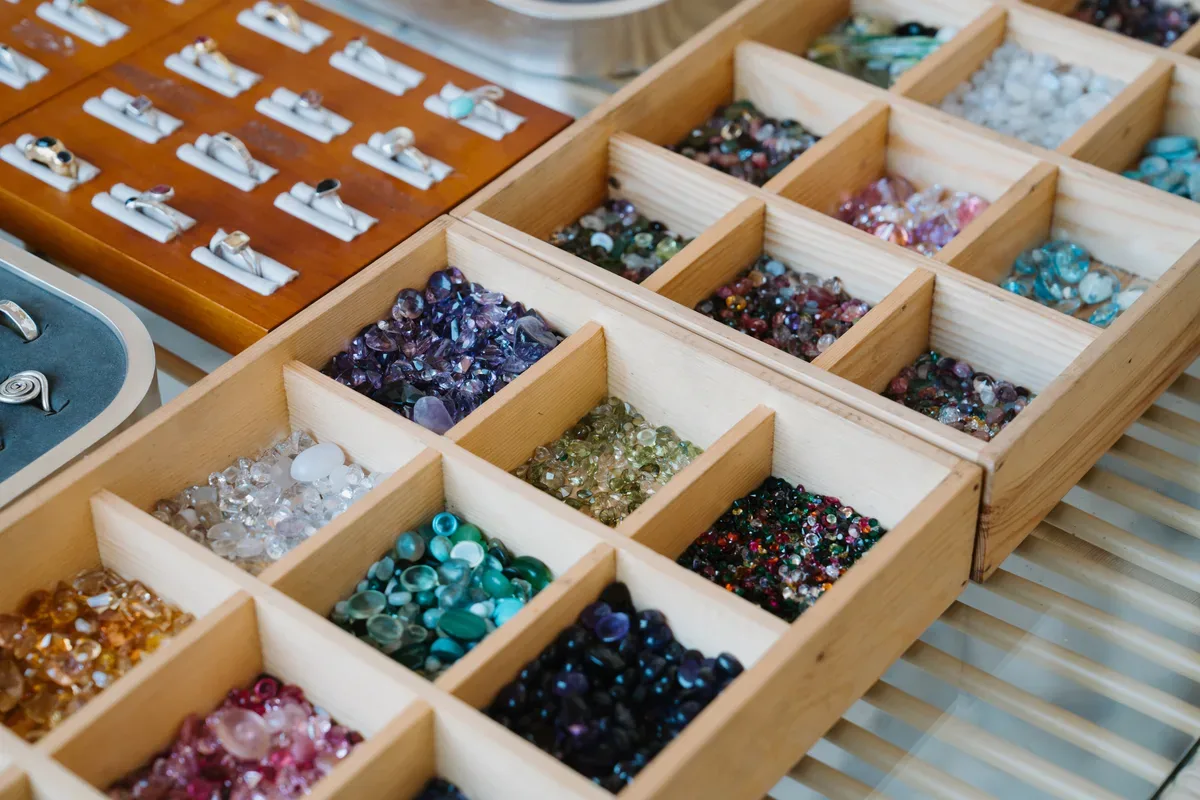
Add a stone to the ring or pendant you make in the Silver, Couple, or Brass Jewelry Workshop. Ten stones live in the studio tray; this is what matters when you choose one for everyday wear.

Each stone carries its hardness on the Mohs scale, 1 to 10. The small mark sits at 7: above it a stone shrugs off daily wear; below it, sand and years will scratch it, so it belongs in a pendant or a protective bezel on a ring you take off for the beach.
The stones people cross the world for. Hard enough for a ring worn every day, and each with a colour that no other stone quite reaches.

Deep blue and the hardest stone in the tray — it will outlast the band around it. The classic choice for a ring that is never taken off.

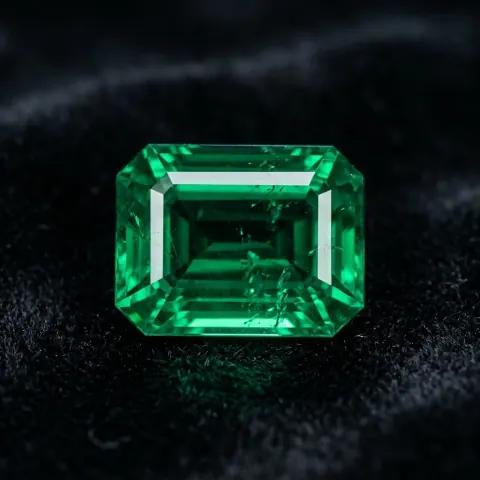
Saturated green beryl. The fine inclusions inside are part of the stone, not a fault — gemologists call them the garden.

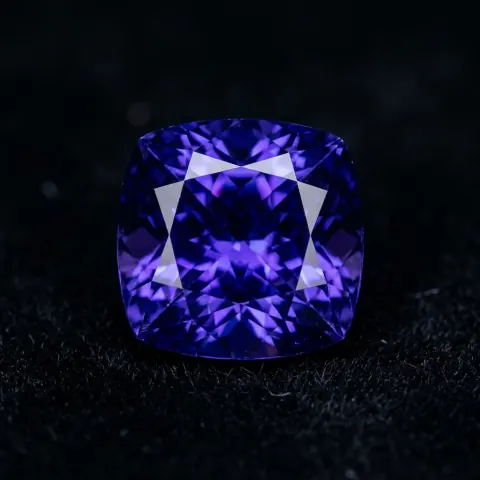
Violet in one light, indigo in the next, blue in a third. Mined in a single place in the world; kinder to a pendant or a well-built bezel than to a ring worn hard.
Colour first. Bright, generous stones that sit well against silver and stay lively in Bali daylight.

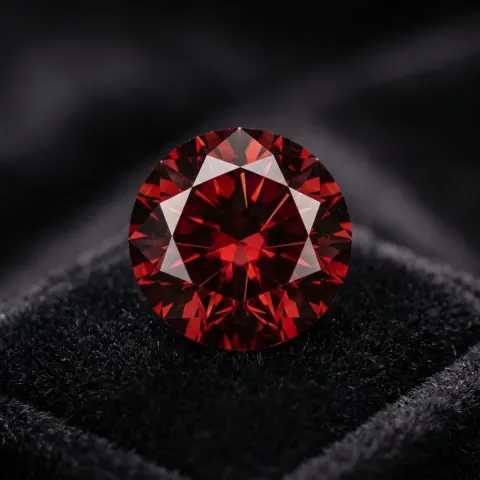
Wine-red and generous — the most affordable of the deep-coloured stones, and the one that looks best against dark, brushed silver.

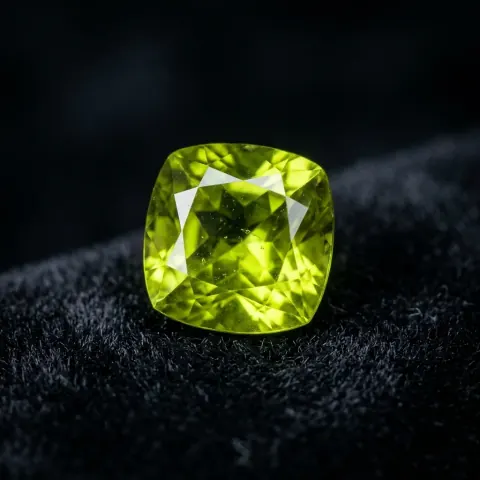
An olive green that stays bright in daylight where other greens go dark. Small stones sit well in stacking bands.

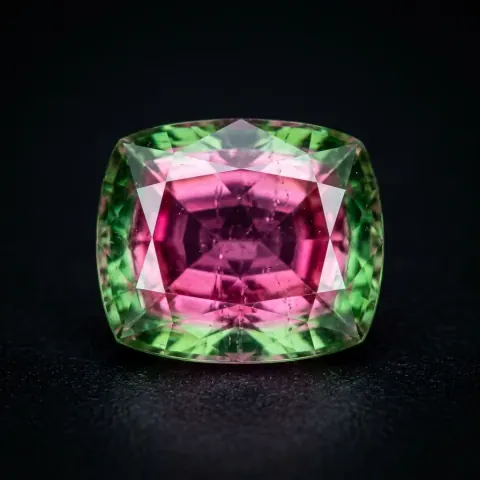
More colours than almost any other stone. The pink-and-green slices — watermelon, to the trade — are the ones guests choose most.

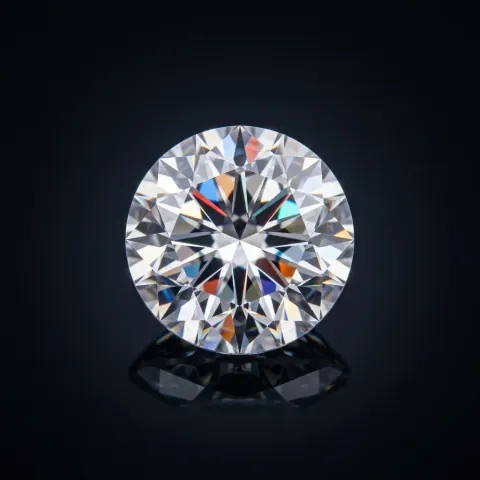
Colourless and bright, made in a lab, and hard enough to take daily wear without complaint. The honest choice for a solitaire on a budget.
Softer stones with sheen, veining, and depth — at their best in a pendant, or in a bezel that wraps and protects them.

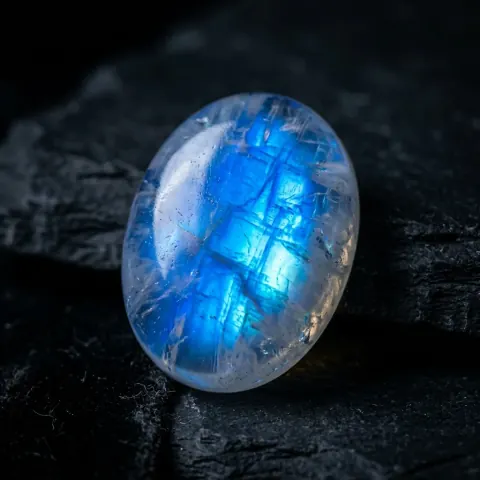
A soft blue sheen that moves across the stone as you turn it — adularescence, to a gemologist. Set it in a bezel; it does not like corners.

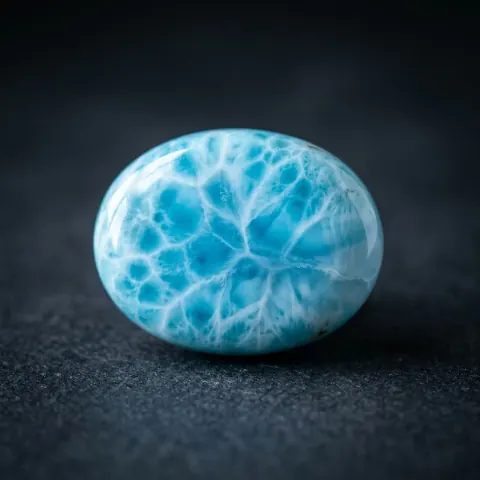
Caribbean blue, marked with white like the surface of the sea seen from a cliff. Softer than it looks — a pendant or a cuff suits it best.

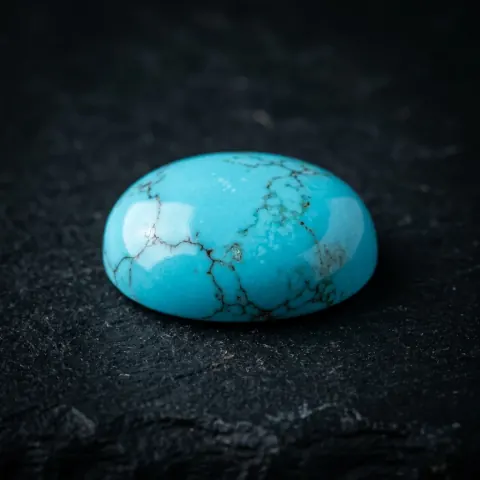
Sky blue veined with the darker host rock — the matrix — so no two pieces match. The softest stone in the tray, and the most storied.
Three steps to a set stone.
Choose from the tray at your bench. Colour, cut, and size decide how large the mount must be and how the finished piece sits on the hand.
Measure, wrap, cut, and solder a strip of silver bezel wire around the stone, then solder the cup onto your ring or pendant.
Drop the stone in, push the silver rim over its edge with a burnisher, and finish the whole piece on the polishing wheel.
Stones at 7 or above on the Mohs scale: sapphire, cubic zirconia, emerald, tourmaline, and the harder garnets. Moonstone, larimar, and turquoise are softer — set them in a pendant, or in a bezel on a ring you take off for the beach.
Stones are priced by the piece on the day, from Rp 200.000. The silver for the bezel is part of your included silver; if a large stone needs more, extra silver is Rp 85.000 per gram.
The Silver Class and the Couple Silver Class. Your silversmith helps you build a bezel sized to the stone you choose; in the Brass Jewelry Workshop a stone can be set in the same way before plating.
No — choose from the tray at your bench, once you have a design. Mention on WhatsApp that you would like a stone and we keep the tray ready.
Reserve the Silver or Couple Silver Class and mention the stone — we keep the tray ready at your bench.